
Common Misconceptions About Nitric Oxide (NO)
Despite growing awareness of nitric oxide’s importance to human health, several misconceptions persist about this powerful signaling molecule. Understanding what NO actually is—and isn’t—can help you make better health decisions and properly leverage its benefits.
Confusion with Other Nitrogen Compounds
Misconception: Nitric oxide is the same as nitrous oxide (laughing gas) or nitrogen dioxide.
Nitric oxide (NO) is frequently confused with other nitrogen-containing compounds. Unlike nitrous oxide (N₂O), which is used as an anesthetic, or nitrogen dioxide (NO₂), an air pollutant, nitric oxide is a signaling molecule naturally produced in the human body with vastly different physiological effects.
Nitrates and Nitrites Confusion
Misconception: All dietary nitrates and nitrites are harmful.
Many people believe all nitrates and nitrites are unhealthy preservatives, particularly when associated with processed meats. However, there’s an important distinction: while the nitrites in processed meats may form potentially harmful compounds when cooked at high temperatures, dietary nitrates from plant sources (like beetroot and leafy greens) are beneficial precursors to nitric oxide production and have been linked to multiple health benefits.
Supplement Effectiveness
Misconception: All nitric oxide supplements work directly by providing NO to the body.
No supplement actually contains nitric oxide itself, as NO is a gas that can’t be stably packaged. Instead, supplements provide precursors (like L-arginine or L-citrulline) or nitrates that your body uses to produce nitric oxide through various pathways. The effectiveness of these supplements varies widely based on individual physiology and the specific compound used.
Exercise and Performance Claims
Misconception: Nitric oxide supplements provide immediate and dramatic performance benefits.
While nitric oxide does support exercise performance through improved blood flow, the effects are typically modest and variable between individuals. The marketing of some supplements often overstates the magnitude and immediacy of performance benefits. Consistent, long-term strategies for supporting NO production tend to be more effective than single pre-workout doses.
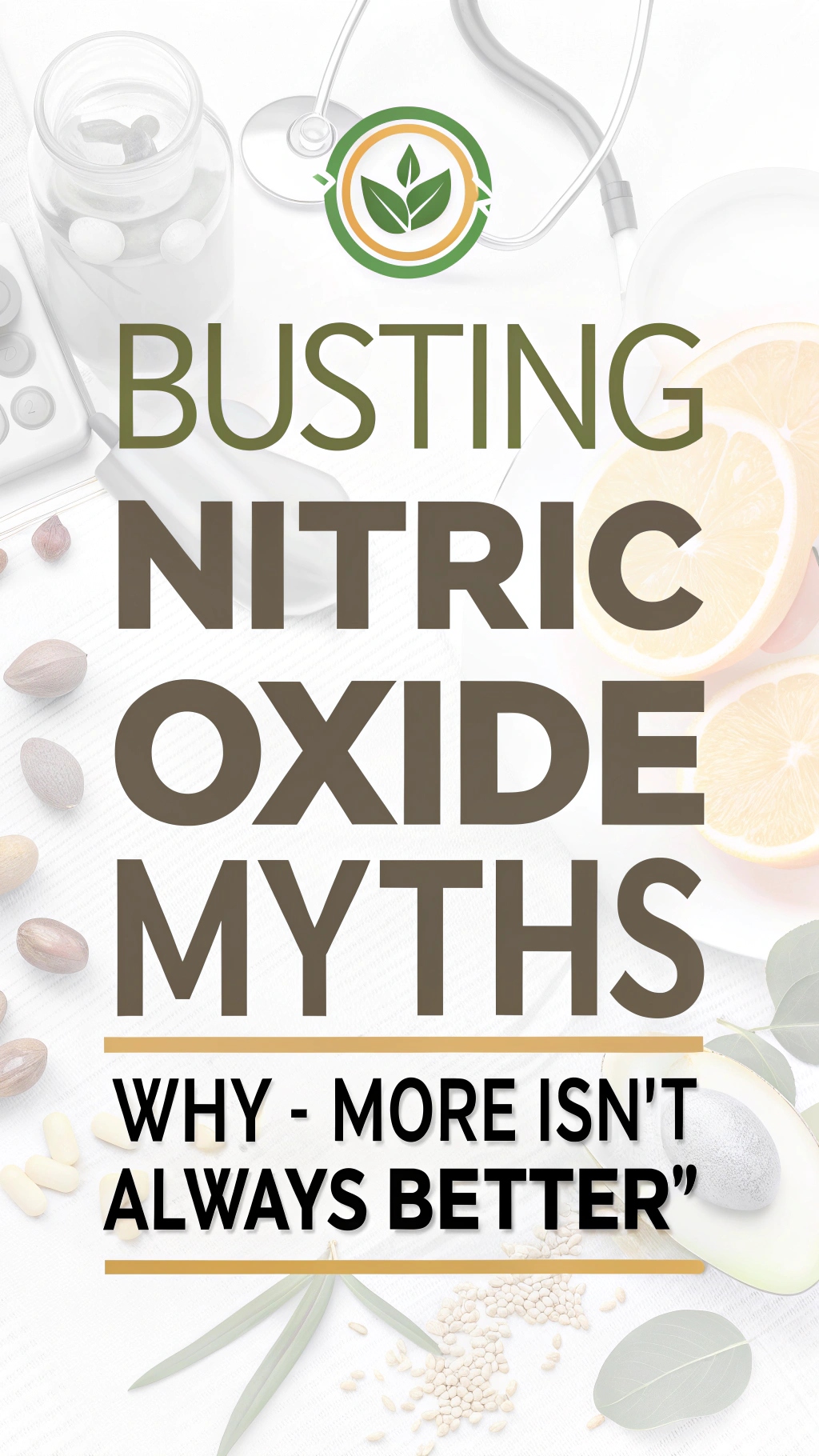
“More Is Better” Fallacy
Misconception: Higher nitric oxide levels are always better for health.
While adequate nitric oxide is essential for health, excessive amounts can actually be harmful. Too much NO can contribute to oxidative stress, inflammation, and even tissue damage. The body carefully regulates nitric oxide production for a reason, and balance is key.
Medical Interactions
Misconception: Nitric oxide boosters are safe for everyone.
People taking medications for erectile dysfunction (like Viagra/sildenafil), blood pressure medications, or nitrate medications for angina should be particularly cautious with nitric oxide boosters, as dangerous interactions can occur. These combinations can cause excessive blood pressure drops, potentially leading to serious adverse effects.
Aging and NO Production
Misconception: Declining NO production with age is inevitable and can’t be addressed.
While it’s true that nitric oxide production naturally decreases with age, this decline isn’t entirely unavoidable. Regular exercise, a diet rich in nitrate-containing vegetables, and good oral health (which maintains the oral bacteria necessary for nitrate-to-nitrite conversion) can help maintain healthier NO levels even as you age.
Duration of Effects
Misconception: The effects of dietary interventions to boost nitric oxide are long-lasting.
The reality is that nitric oxide has a very short half-life in the body (just seconds). While dietary approaches like consuming beetroot juice can elevate NO levels, these effects are relatively short-lived, typically lasting hours rather than days. This is why consistent dietary and lifestyle practices are important for sustained benefits.
Medical Applications
Misconception: Nitric oxide therapy is only relevant to cardiovascular conditions.
While cardiovascular applications of nitric oxide are well-known, medical applications extend to pulmonary conditions, wound healing, antimicrobial treatments, and more. Research continues to uncover diverse therapeutic applications for NO across many medical specialties.
Natural vs. Synthetic Sources
Misconception: Synthetic nitric oxide boosters are always superior to natural sources.
Many people assume that synthetic supplements must be more effective than natural dietary sources of nitrate. However, research suggests that whole food sources like beetroot, arugula, and spinach may actually provide more sustained and balanced support for nitric oxide production due to the presence of complementary compounds that enhance NO bioavailability.
Conclusion
Understanding the reality behind these common misconceptions can help you make more informed decisions about how to optimize nitric oxide production naturally and safely. Rather than seeking quick fixes or miracle supplements, focus on consistent lifestyle practices that support healthy NO levels—including a vegetable-rich diet, regular physical activity, and good oral health.
Get the Full Scoop with the Books:
| Google Play eBook | Audio Book Google Play | Audio Book Kobo, Walmart