
DIY Air Purification Tips
I’m thrilled to talk about a topic that’s vital for our health but often flies under the radar—clean air. In today’s toxic times where we’re bombarded by toxins everywhere, sprayed in the skies, venom offgassing, toxic toilet paper, you name it – there is bad stuff bombarding us from all angles and most people have no clue. They just get sick and depressed then get sicker and then often kick the bucket early. Not that doesn’t sound very awesome, does it.
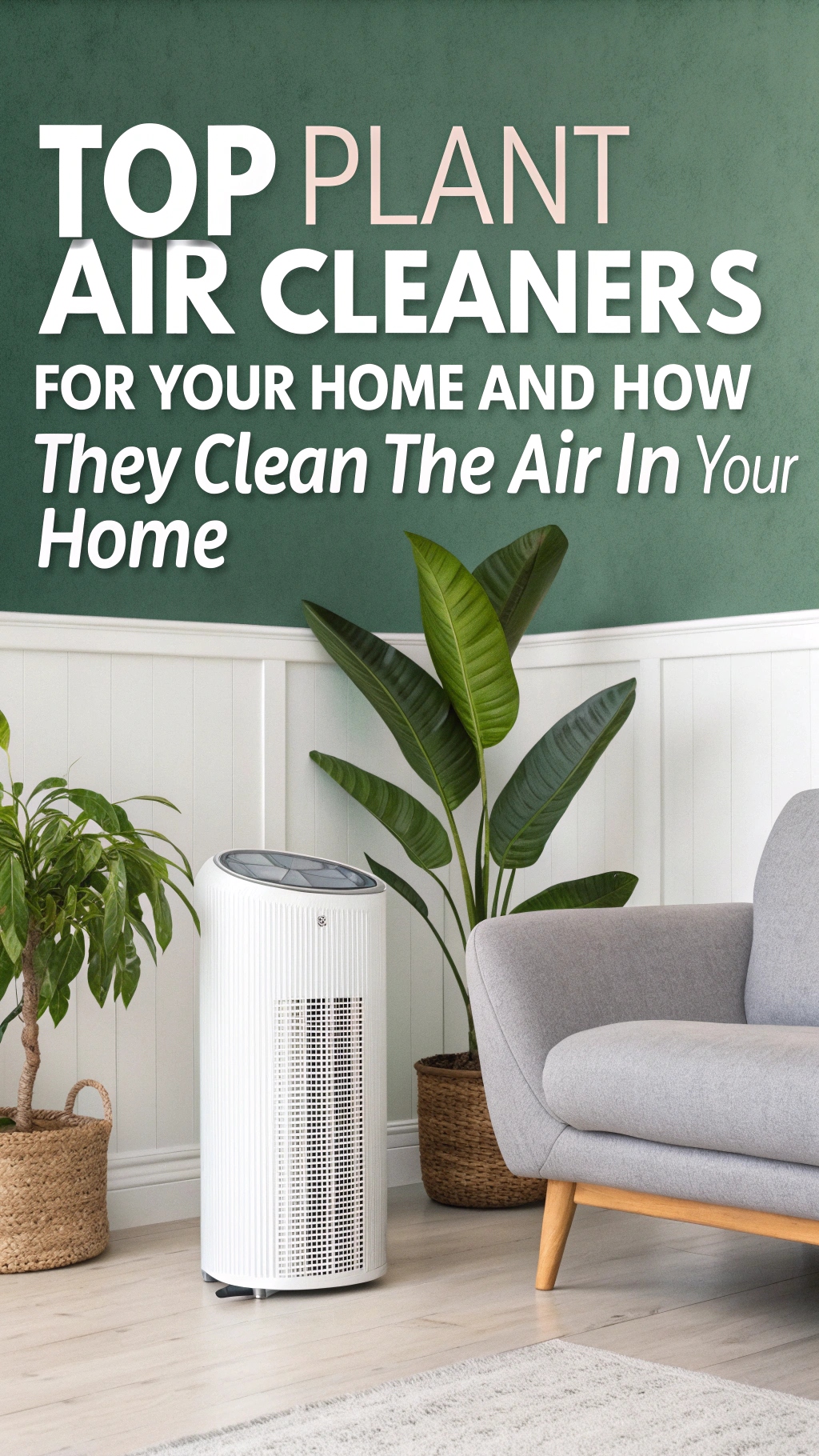
We pour so much energy into eating right and staying hydrated, but the air we breathe plays just as big a role in our overall wellness. Indoor air pollution can sneakily contribute to allergies, respiratory challenges, and even low energy levels. That’s why air cleaners (or air purifiers) are such a powerful tool for transforming your home into a healthier haven. Let’s dive into the best types of air cleaners, how they work, and which might be the perfect fit for you. Plus, I’ve got some fantastic DIY air purification tips to boost your indoor air quality naturally!
Why Air Cleaners Matter for Your Health
First, let’s chat about why clean air is non-negotiable. The Environmental Protection Agency (EPA) warns that indoor air can be 2 to 5 times more polluted than outdoor air. We’re talking dust, pet dander, mold spores, volatile organic compounds (VOCs) from household products, and tiny particles like PM2.5 that can lodge deep in our lungs. Over time, this toxic load can trigger inflammation, worsen asthma, and stress our immune systems. An air cleaner helps filter out these nasties, giving your body a chance to thrive. But before we get to the devices, let’s explore the top technologies available.
The Best Types of Air Cleaners for Your Home
Not every air purifier is created equal, so understanding the different types and their strengths is key. Here are my top recommendations based on effectiveness, research, and real-world impact.
1. HEPA Filter Air Cleaners
When it comes to air purification, High-Efficiency Particulate Air (HEPA) filters are the gold standard. They trap 99.97% of particles as small as 0.3 microns, including dust, pollen, pet dander, and some bacteria. I’m a huge advocate for HEPA filters if you or your loved ones deal with allergies or asthma—they’re phenomenal at removing airborne triggers. They’re also ideal for bedrooms or nurseries since they’re often quiet and don’t produce ozone (a potential lung irritant we’ll cover later).
Keep in mind, though, that HEPA filters don’t handle odors, gases, or VOCs on their own. For those, you’ll want a unit paired with another tech like activated carbon. Brands like Dyson and Honeywell are my go-tos for reliable HEPA air cleaners with durable filters.
2. Activated Carbon Air Cleaners
Activated carbon filters are a must if odors or chemical pollutants are your concern. They work by adsorbing gases, VOCs, and smells, trapping them in a porous structure. Think of it as a magnet for funky fumes! I recommend these for kitchens, homes with smokers, or spaces where harsh cleaners are used. They’re also great if you’re near industrial zones where outdoor pollution creeps indoors.
The limitation? Activated carbon isn’t as effective against dust or allergens as HEPA. That’s why top purifiers from brands like Blueair or Coway often combine both technologies for comprehensive cleaning. If you’re sensitive to smells or dealing with off-gassing from new furniture, this combo is a game-changer.
3. UV-C Light Air Cleaners
UV-C light purifiers use ultraviolet light to kill or deactivate bacteria, viruses, and mold spores by disrupting their DNA. I love this technology for anyone worried about germs—especially during cold and flu season or if you’ve got kiddos at home. Research shows UV-C can neutralize certain airborne pathogens, which is a major win.
However, UV-C doesn’t tackle dust, dander, or VOCs, so pairing it with a HEPA filter is ideal. Also, steer clear of low-quality models—some don’t have strong enough bulbs to work effectively, and others might emit ozone. Stick with trusted brands like GermGuardian for safety and results. These are perfect for offices, bathrooms, or high-traffic areas where germs are the priority over allergens.
4. Ionic Air Cleaners (with a Caveat)
Ionic air cleaners, or ionizers, release negatively charged ions that attach to pollutants, making them heavy enough to drop out of the air or stick to surfaces. They’re often touted as “silent” and “filter-free,” which sounds awesome, but I’m cautious about them. Many produce ozone, which can irritate the lungs, especially for those with respiratory issues. Plus, they don’t truly remove pollutants—they just relocate them to your floors or walls for you to clean later.
If you consider an ionizer, ensure it’s certified ozone-free (check for California Air Resources Board certification) and use it alongside a HEPA system. I’d only suggest these for small spaces or as a backup option.
5. PECO Technology Air Cleaners
Here’s a cutting-edge option I’m excited about: Photo Electrochemical Oxidation (PECO) technology, featured in brands like Molekule. Unlike traditional filters, PECO destroys pollutants at a molecular level using light-activated catalysts, breaking down VOCs, mold, bacteria, and some viruses into harmless byproducts like water vapor. It’s incredible for chemical sensitivities or mold-prone homes.
The drawback? PECO units are more expensive, and the research is newer compared to HEPA’s proven track record. But if budget isn’t an issue and you want innovative tech, this is a stellar choice for living rooms or open spaces.
How to Choose the Right Air Cleaner for You
Picking the best air cleaner doesn’t have to be daunting. Here are a few tips to match your needs:
- Room Size: Look at the Clean Air Delivery Rate (CADR) to see how much air it cleans and for what square footage. A CADR of 250+ suits large areas; 100-150 is great for bedrooms.
- Specific Concerns: Allergies or asthma? Choose HEPA. Odors or chemicals? Add activated carbon. Germs? Opt for UV-C or PECO.
- Noise Level: For bedrooms, pick a quieter model (under 50 dB for sleep).
- Maintenance: Filters often need replacing every 6-12 months. Check replacement costs and availability.
- Safety: Avoid high-ozone models, especially if you have respiratory conditions.
Top Recommendations
Here are a few air cleaners I trust for different needs:
Best Overall: Blueair Blue Pure 211+ (HEPA + activated carbon, ideal for medium to large rooms, super quiet).
Best for Allergies: Honeywell HPA300 (True HEPA, high CADR, affordable filters).
Best for Germs: GermGuardian AC4825 (HEPA + UV-C, great for small spaces).
Best for Innovation: Molekule Air Mini+ (PECO tech, perfect for chemical sensitivities).
DIY Air Purification Tips for a Natural Boost
While air cleaners are fantastic, I’m all about empowering you with natural, budget-friendly solutions to complement them. Here are some of my favorite DIY air purification strategies to enhance your indoor environment holistically:
Create a Baking Soda Air Freshener: Baking soda is a powerhouse for absorbing odors. Fill a small bowl or mason jar with baking soda and add 10-15 drops of a purifying essential oil like tea tree, eucalyptus, or lavender. Poke holes in the lid (if using a jar) and place it in areas prone to smells, like bathrooms or near pet zones. Refresh the mix every couple of weeks for ongoing freshness.
Make a DIY Charcoal Air Filter: Activated charcoal is amazing for trapping odors and toxins, just like in commercial filters. Grab some activated charcoal (available at most health stores or online), wrap it in a breathable cloth or cheesecloth, and tie it into a small pouch. Hang or place these pouches in closets, near trash cans, or in musty basements. Replace the charcoal every 1-2 months to keep it effective.
Diffuse Essential Oils for Cleaner Air: Essential oils aren’t just for aromatherapy—they can purify the air too! Oils like tea tree, peppermint, and lemon have antimicrobial properties. Add 5-10 drops to a diffuser with water and run it for 30-60 minutes in living areas or bedrooms. Not only will your home smell amazing, but you’ll also reduce airborne germs naturally.
Craft a Beeswax Candle Air Purifier: Unlike paraffin candles that release toxins, beeswax candles emit negative ions when burned, which can help neutralize pollutants in the air (similar to how ionizers work, but without the ozone risk). Make your own by melting pure beeswax, pouring it into a heat-safe jar with a cotton wick, and letting it set. Light it for a few hours in stuffy rooms to refresh the air while adding a cozy vibe.
Use Salt Lamps with Caution: Himalayan salt lamps are popular for purportedly releasing negative ions to clean the air. While the science is limited, they can add a calming ambiance and may help with minor humidity control. Place one in your bedroom or office, but don’t rely on it as your main purification method—combine it with other strategies for best results.
Ventilate with DIY Window Filters: If outdoor air quality is decent, ventilation is a free way to refresh your space. Boost this by creating a simple window filter—cut a piece of high-efficiency furnace filter material (like MERV 13) to fit your window screen and secure it with tape. Open the window slightly to let in air while trapping larger particles. This is especially handy in urban areas with moderate outdoor pollution.
Grow Air-Purifying Plants: Nature’s air filters! Plants like snake plants, peace lilies, and spider plants remove toxins like formaldehyde and benzene while releasing oxygen. Place a few around your home—aim for 1-2 per 100 square feet. They’re low-maintenance and double as beautiful decor.
Additional Tips for Cleaner Air Naturally
Beyond DIY hacks and air cleaners, here are a few more ways to elevate your indoor air quality:
- Open windows when outdoor air is clean to circulate fresh oxygen.
- Switch to natural cleaning products with essential oils like tea tree or lemon instead of harsh chemicals.
- Vacuum regularly with a HEPA-filter vacuum to cut down on dust buildup.
- Maintain humidity at 40-50% to prevent mold—use a dehumidifier if needed.
Make Breathing Easy & You Make Good Health Much Easier –
Breathing clean air is one of the most foundational ways to support your body’s natural healing and vitality. Whether you invest in a top-notch air cleaner like a HEPA and activated carbon combo (my personal favorite for broad coverage) or lean into DIY solutions like baking soda fresheners and essential oil diffusers, every step counts. Combining high-tech purifiers with these natural strategies creates a powerful synergy for a fresher, healthier home.
I’d love to connect with you on this! Have you tried an air purifier or a DIY hack? What’s made a difference for your family? Drop a comment below, and let’s swap ideas. If this post resonated with you, share it with someone who could use a breath of fresh air—pun intended! Until next time, keep thriving and stay healthy, friends!