
How to Grow Peppers in Kratky Hydroponics
Kratky Hydroponics Is A Type Of Hydroponic System That Uses A Unique Method Of Delivering Oxygen To The Roots Of The Plants.
Here’s A Step-by-step Guide On How To Grow Peppers In A Kratky Hydroponic System:
Materials needed:
Kratky hydroponic system (with a reservoir, pump, and pipes)
Peppers seeds or seedlings
Rockwool cubes or grow medium
Nutrients specifically designed for hydroponics
pH test kit
Thermometer
Grow lights (optional)
Setting up the System:
1. Fill the reservoir with water, making sure it’s at least 6-8 inches deep.
2. Add the pump and connect it to the pipes and fittings according to the manufacturer’s instructions.
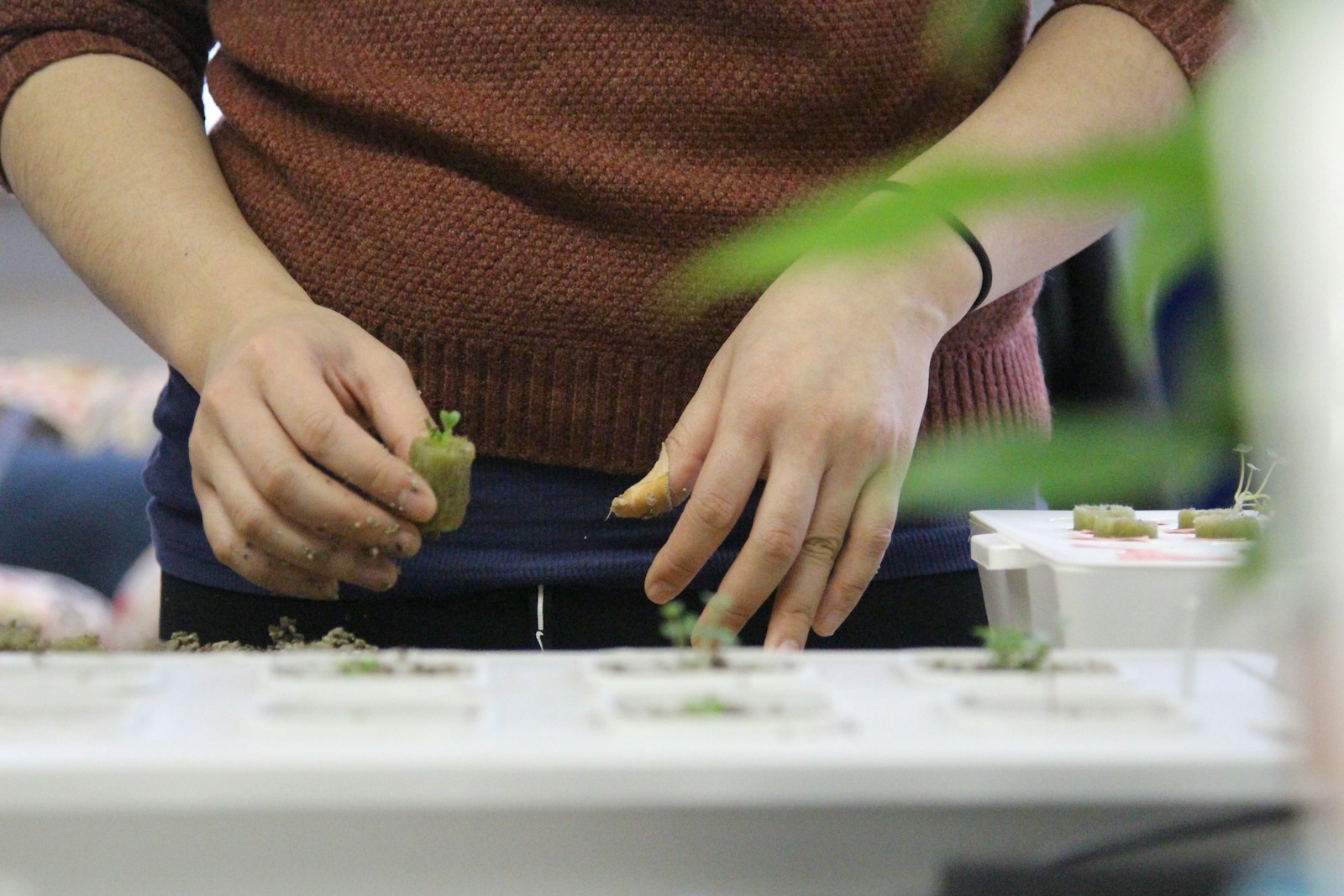
3. Place the rockwool cubes or grow medium into the pipes, leaving about an inch at the top for the pump to breathe.
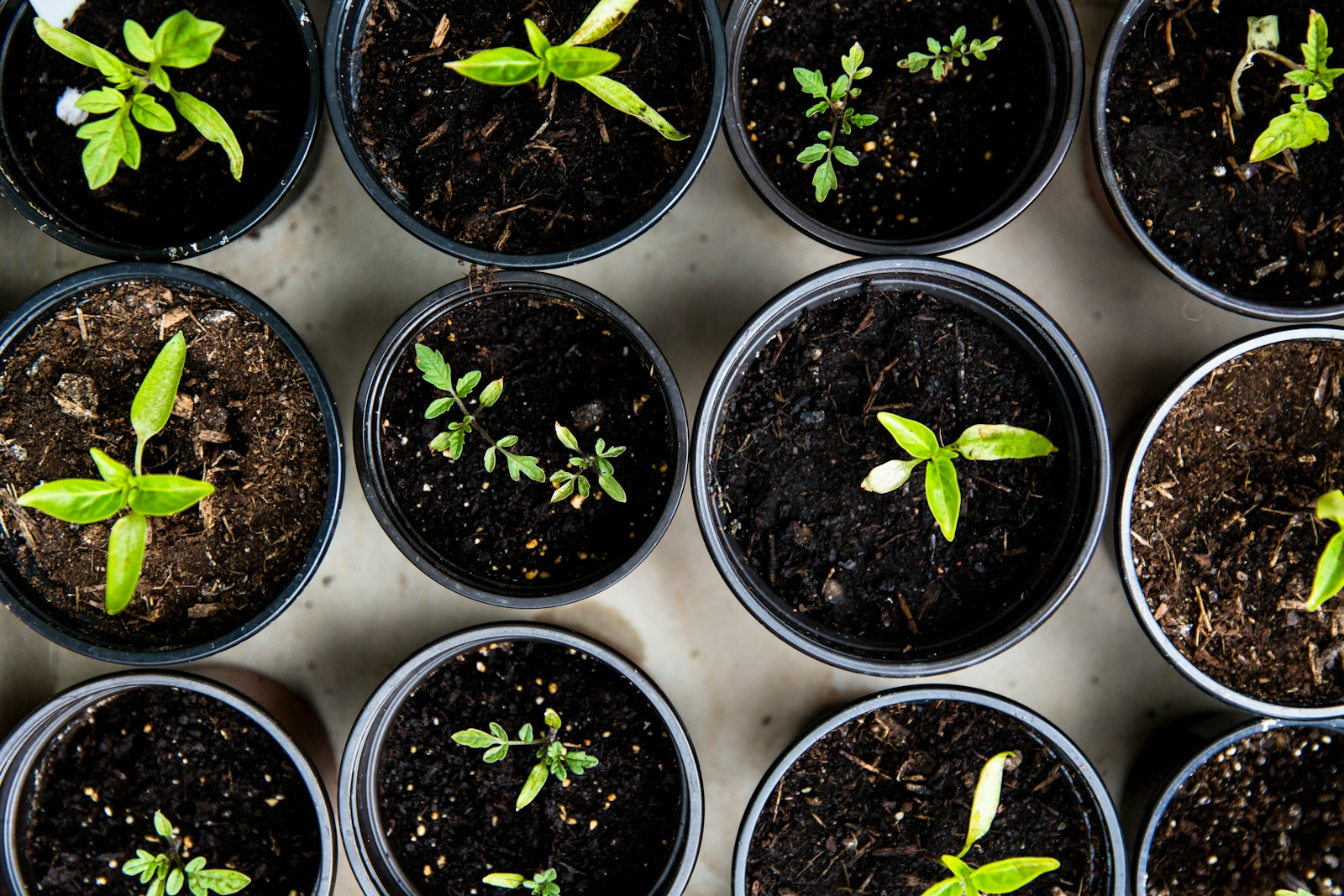
4. Plant the pepper seeds or seedlings into the rockwool cubes or grow medium, making sure they’re well-watered.
Tips for Growing Peppers in Kratky Hydroponics:
1. pH management: Monitor the pH level of the reservoir regularly and adjust as needed to maintain a range of 5.5-6.5.
2. Nutrient supply: Use a balanced fertilizer specifically designed for hydroponics, following the manufacturer’s instructions for dosage and frequency.
3. Temperature control: Keep the temperature between 65-75°F (18-24°C) to promote healthy growth.
4. Lighting: Provide supplemental lighting if necessary, such as LED or HPS grow lights, to ensure 12-14 hours of light per day.
5. Pruning: Prune the plants regularly to promote bushy growth and encourage fruiting.
6. Monitoring: Check the plants daily for signs of nutrient deficiencies, pests, or diseases.
Harvesting:
1. Wait until the peppers have reached their full color and are slightly soft to the touch.
2. Use scissors or clippers to cut off the peppers from the plant, leaving about an inch of stem attached.
Troubleshooting Common Issues:
1. Root rot: Check the pH levels and adjust if necessary. Make sure there’s adequate oxygen supply in the system.
2. Yellowing leaves: Check nutrient levels and adjust if necessary. Ensure proper lighting and temperature conditions. Also, especially at the start of the summer, depending where you are, look out for spider mites, they’ll eat your whole pepper plat even though they are the size of a grain of sand. When you see the life sucked out of individual leaves look for little webs between branches. You’ll need a magnifying glass to see them. The other summer pest here in Florida that will suck the life out of your pepper plants are aphids. If outdoors and you start seeing a lot of ants all of a sudden on your pepper plants, you better do something fast to get rid of those aphids. One of the best cures for spider mites and aphids are LADY BUGS.
3. Pests: Inspect plants regularly for signs of pests and treat promptly if necessary.
Some of the Most Common Pests That Affect Pepper Plants
. Aphids – These small insects cluster under leaves, suck sap, and can transmit viruses. They cause leaf distortion, wilting, and attract other pests.
2. Cutworms – These are especially damaging to young pepper seedlings.
3. European corn borer – Considered one of the most economically important pepper pests in North Carolina.
4. Corn earworm – Another major pest of economic importance for peppers.
5. Beet armyworm and fall armyworm – These caterpillars feed on pepper foliage and fruit.
6. Flea beetles – They attack young plants and leave distinct holes in the foliage.
7. Spider mites – Tiny arachnids that cause yellowing and bronzing of leaves. They can be identified by the fine webbing they produce2.
8. Thrips – Tiny insects that can decimate crops in large numbers. They feed on plant tissue and are hard to see with the naked eye.
9. Pepper weevil – Females lay eggs inside the fruit, causing buds and fruit to fall off the plant.
0. Whiteflies – These can transmit harmful viruses and cause leaves to shrivel, yellow, and drop.
. Potato leafhoppers – They feed on leaves, causing “hopperburn” which is a yellowing of leaf edges.
To control these pests, growers can use various methods including:
– Introducing beneficial insects like ladybugs and lacewings2
– Spraying plants with water to dislodge pests2
– Using neem oil or insecticidal soaps2
– Practicing good garden hygiene and crop rotation
– Choosing disease-resistant pepper varieties
Regular monitoring of plants is crucial for early detection and control of these pests. In severe cases, targeted pesticides may be necessary, but should be used as a last resort to avoid harming beneficial insects.
By following these steps and tips, you should be able to successfully grow delicious and healthy peppers in your Kratky hydroponic system!
Here are the key steps to grow peppers using the Kratky hydroponic method:
1. Choose an appropriate container – A 5-gallon bucket or larger container is recommended for peppers, as they are heavy feeders and require adequate nutrient solution[1][4].
2. Prepare the nutrient solution – Use a balanced hydroponic nutrient mix formulated for fruiting plants. Maintain pH between 5.5-6.5[1].
3. Set up the system – Fill the container about 1/3 full with nutrient solution. Create a hole in the lid for the net pot and plant[1].
4. Start seeds or transplant – Begin pepper seeds in a starter cube or transplant an established seedling into a net pot filled with growing medium like clay pebbles[2].
5. Provide adequate lighting – Peppers require 14-16 hours of light daily. Use LED grow lights if growing indoors[2].
6. Maintain air gap – As the plant grows and uses up solution, an air gap will form between the solution surface and roots. This is crucial for root oxygenation[1][4].
7. Monitor and refill as needed – Check nutrient levels regularly. For large plants, you may need to refill every few days[4].
8. Prune and support – Remove small branches/leaves that don’t receive light. Provide support for heavy fruit-bearing branches[2].
9. Pollinate flowers – Pepper plants can self-pollinate, but gently shaking the plant can help ensure good fruit set[2].
10. Harvest – Pick peppers when they reach full size and desired color[2].
Key considerations:
– Larger containers (20-40 gallons) work better for mature pepper plants and require less frequent refilling[4].
– Consider using a float valve system to automatically maintain nutrient levels for less maintenance[3].
– Kratky works well for peppers, but a recirculating deep water culture (RDWC) system may provide more consistent results for heavy feeders like bell peppers[4].
With proper setup and care, the Kratky method can produce healthy, productive pepper plants with minimal equipment and maintenance.
What Pepper Varieties Can Grow Well with Kratky Hydroponics
Based on the search results and general knowledge about hydroponic pepper growing, here are some of the best pepper varieties for Kratky hydroponics:
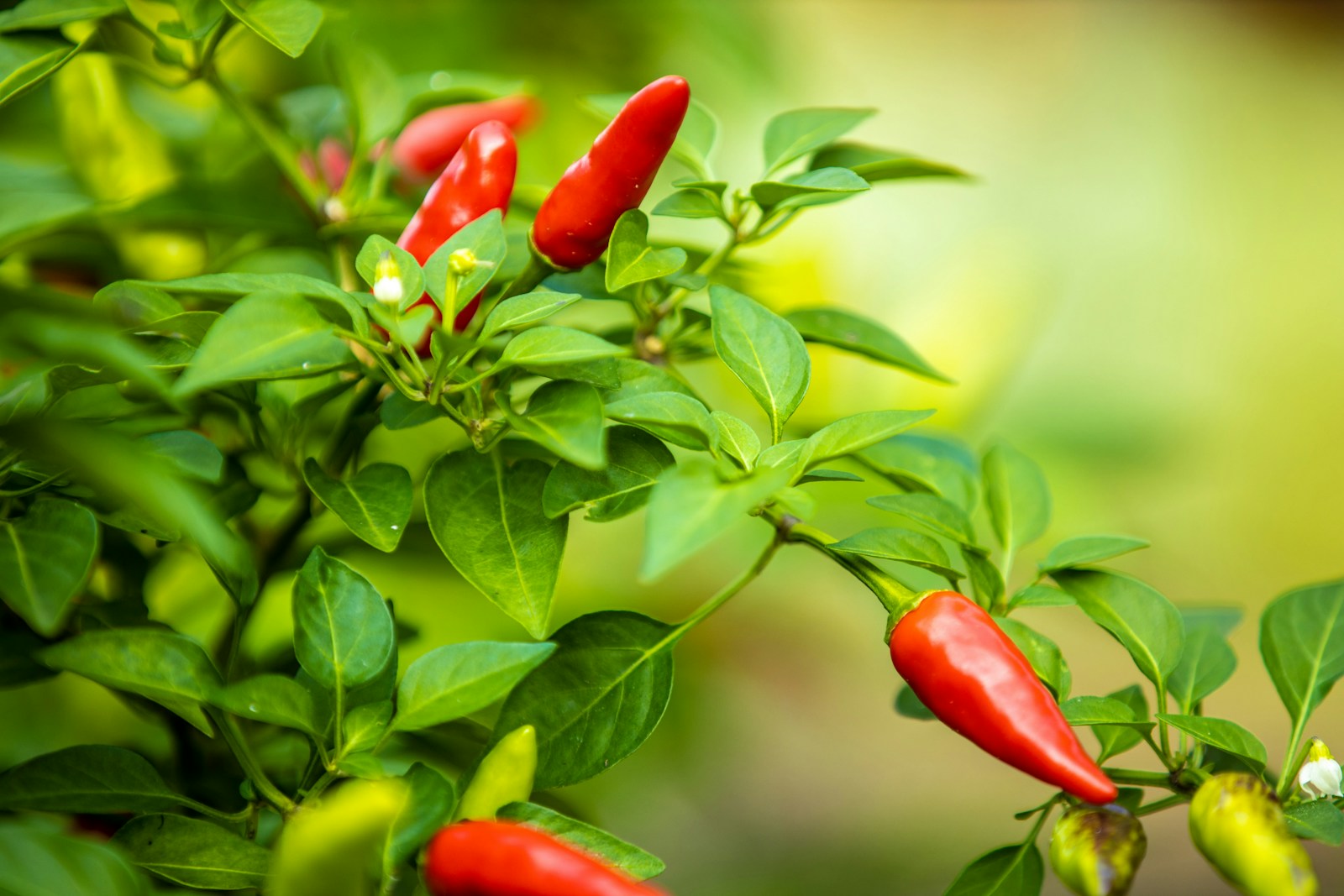
1. Bell Peppers: These versatile and popular peppers adapt well to hydroponic systems, producing abundant yields of flavorful fruits in various colors like red, yellow, and green[3].
2. Jalapeno Peppers: Known for their moderate heat, jalapenos are well-suited for Kratky hydroponics and are popular among growers[3].
3. Tabasco Peppers: These can be successfully grown in Kratky buckets, as demonstrated by some growers[2].
4. Habanero Peppers: These hot peppers have been reported to grow well in Kratky systems[1].
5. Thai Chili Peppers: Another variety that has shown success in Kratky setups[1].
6. Hungarian Wax Peppers: Known for their mild heat and vibrant yellow color, these peppers can thrive in hydroponic systems[3].
7. Ghost Peppers: While extremely hot, some growers have reported success with ghost peppers in hydroponic setups[1].
When choosing pepper varieties for Kratky hydroponics, consider the following factors:
– Space requirements: Larger varieties like bell peppers may need bigger containers (5-gallon minimum) and more frequent nutrient replenishment[1].
– Nutrient needs: While some sources debate whether peppers are heavy feeders, it’s important to monitor and adjust nutrient levels accordingly[1].
– Growing conditions: Ensure adequate lighting (14-16 hours daily) and maintain proper pH levels (5.5-6.5) for optimal growth[3].
Remember that success with any variety will depend on proper setup, maintenance, and environmental control in your Kratky system.
What Are the Common Kratky Hydroponics Challenges with Growing Peppers?
Growing peppers using the Kratky hydroponic method can be highly rewarding, but it also comes with several challenges. Here are some common issues you might encounter:
1. Root Rot
Without proper aeration, the roots can become waterlogged, leading to root rot. This is a significant risk in Kratky systems where the water is stagnant and not aerated[1].
2. Nutrient Imbalance
Peppers are heavy feeders, and maintaining the correct nutrient balance is crucial. An imbalance can lead to deficiencies or toxicities, affecting plant health and yield. Regular monitoring and adjustment of nutrient levels are necessary[3].
3. Water and Nutrient Depletion
As peppers grow, they consume a lot of water and nutrients. In smaller containers, the nutrient solution can deplete quickly, requiring frequent refills. Larger reservoirs can mitigate this issue but may still need regular monitoring[3].
4. Lighting Requirements
Peppers require adequate lighting, typically 14-16 hours of light per day. Insufficient light can lead to poor growth and reduced yields. Supplemental lighting may be necessary, especially for indoor setups[1].
5. Temperature Control
Peppers thrive in warm conditions. Maintaining optimal temperatures can be challenging, especially in fluctuating climates. Extreme temperatures can stress the plants and affect their growth and productivity[1].
6. Pollination
While peppers can self-pollinate, ensuring good fruit set may require manual intervention, such as gently shaking the plants to distribute pollen[1].
7. Container Size
The size of the container is crucial. Small containers may not provide enough space for root growth and can lead to frequent nutrient depletion. Larger containers are recommended to support the plant’s growth and reduce maintenance frequency[3].
8. Pest and Disease Management
Although hydroponic systems reduce the risk of soil-borne diseases, pests can still be an issue. Regular inspection and prompt action are necessary to manage any pest infestations[1].
Addressing these challenges involves careful planning, regular monitoring, and timely interventions to ensure healthy and productive pepper plants in a Kratky hydroponic system.
Citations:
[1] https://kratkymethodofhydroponics.com/kratky-hydroponic-peppers/
[2] https://www.youtube.com/watch?v=tF7L6ZpeJHg
[3] https://www.reddit.com/r/Hydroponics/comments/vlsnf2/bell_pepper_and_tomatoes_with_kratky/
[4] https://www.youtube.com/playlist?list=PLx7XtYIVCogRNdQa3yoqYBK7WcPnGBNJf
[5] https://www.youtube.com/watch?v=tRfHW2XLpBA
[1] https://kratkymethodofhydroponics.com/kratky-hydroponic-peppers/
[2] https://www.youtube.com/watch?v=zfDKoJIo7-Q
[3] https://www.pepperinfo.com/hydroponics/kratky-method/
[4] https://www.reddit.com/r/Hydroponics/comments/vlsnf2/bell_pepper_and_tomatoes_with_kratky/
[5] https://www.youtube.com/playlist?list=PLx7XtYIVCogRNdQa3yoqYBK7WcPnGBNJf
[1] https://www.reddit.com/r/Hydroponics/comments/vlsnf2/bell_pepper_and_tomatoes_with_kratky/
[2] https://www.youtube.com/watch?v=tRfHW2XLpBA
[3] https://kratkymethodofhydroponics.com/kratky-hydroponic-peppers/
[4] https://www.pepperinfo.com/hydroponics/kratky-method/
[5] https://www.youtube.com/playlist?list=PLx7XtYIVCogRNdQa3yoqYBK7WcPnGBNJf
Citations:
https://www.gardeningknowhow.com/edible/vegetables/pepper/common-pepper-plant-problems.htm
2 https://peppergeek.com/pepper-plant-diseases-problems/
https://gardenerspath.com/plants/vegetables/pepper-pests/
https://content.ces.ncsu.edu/insect-and-related-pests-of-vegetables/pests-of-pepper
https://edis.ifas.ufl.edu/publication/PP6