
The Creative Joy of Recipe Remixing How Mastering 320 Recipes Lets You Improvise Confidently
Recipes Become Frameworks — Once You Know The Rules, You Can Bend Them And Make Something Uniquely Yours.
Why remixing matters Remixing shifts you from follower to creator. After practicing many recipes you learn ingredient roles (acid, fat, sweet, bitter, texture), so swaps and tweaks hit purposefully instead of by accident. Mastering many recipes gives you the confidence to invent drinks that taste balanced and personal.
Three remixing rules to follow
- Swap one thing at a time: Change a milk, sweetener, or spice per trial to learn its effect.
- Preserve balance: Keep the coffee-to-milk/sweetener ratio roughly the same unless intentionally altering strength.
- Use anchors: Keep a single strong flavor (espresso or concentrate) as the base while experimenting with accents.
Three remix examples (with quick how-tweaks)
1) Vegan Caramel Rose Latte (from a vanilla caramel latte)
- Swap dairy for oat barista milk.
- Replace caramel syrup with a lighter homemade caramel + a half-pump rose syrup.
- Reduce total syrup by 25% to let floral notes show.
2) Low-Cal Spiced Iced Brew (from coconut tamarind cold brew)
- Use cold-brew concentrate + soda water (1:1) for lift.
- Swap tamarind syrup for a small squeeze of lime + grated ginger for brightness.
- Use a calorie-free sweetener or half the usual syrup.
3) Boozy Winter Affogato (from classic affogato)
- Replace plain espresso with smoked maple espresso concentrate.
- Pour over single scoop of vanilla or vegan coconut ice cream and float 0.5–1 oz aged rum.
- Garnish with grated dark chocolate and orange zest.
Quick test protocol (learn fast, waste little)
- Make a 2–4 oz test pour rather than a full serving.
- Taste at three points: immediately, after 1 minute (coatings settle), and cooled slightly.
- Note one tweak to try next time (less sweet, spicier, different milk).
Tools for creative remixing
- Small syrups and pipettes for precise flavor dosing.
- Sample jars of toasted spices and citrus oils.
- A tasting journal (date, recipe base, swap, result, rating).
How mastering the book speeds invention
- Ingredient vocabulary: After dozens of recipes you intuit combinations that work (cardamom + citrus, cocoa + chili).
- Technique fluency: Knowing how milk behaves, extraction timing, and dilution lets you predict how a swap will change texture and strength.
- Confidence to iterate: The book’s structured progression means you’ve already practiced failures and fixes—so remixing feels fun, not risky.
Mini practice plan to create 12 original drinks in 30 days
- Week 1: Pick 6 base recipes you love; make small notes on what you’d change.
- Week 2: Do 6 single-variable swaps (milk, sweetener, spice).
- Week 3: Combine two successful swaps into 6 new variants.
- Week 4: Finalize 6 winners, name them, and refine presentation/garnish.
Final thought Recipes are starting points. With 320 well-practiced recipes behind you, remixing becomes a disciplined creative practice: purposeful swaps, quick tests, and iterative improvements that let you invent drinks that feel both surprising and perfectly balanced. Boldly experiment—your signature drink is waiting.
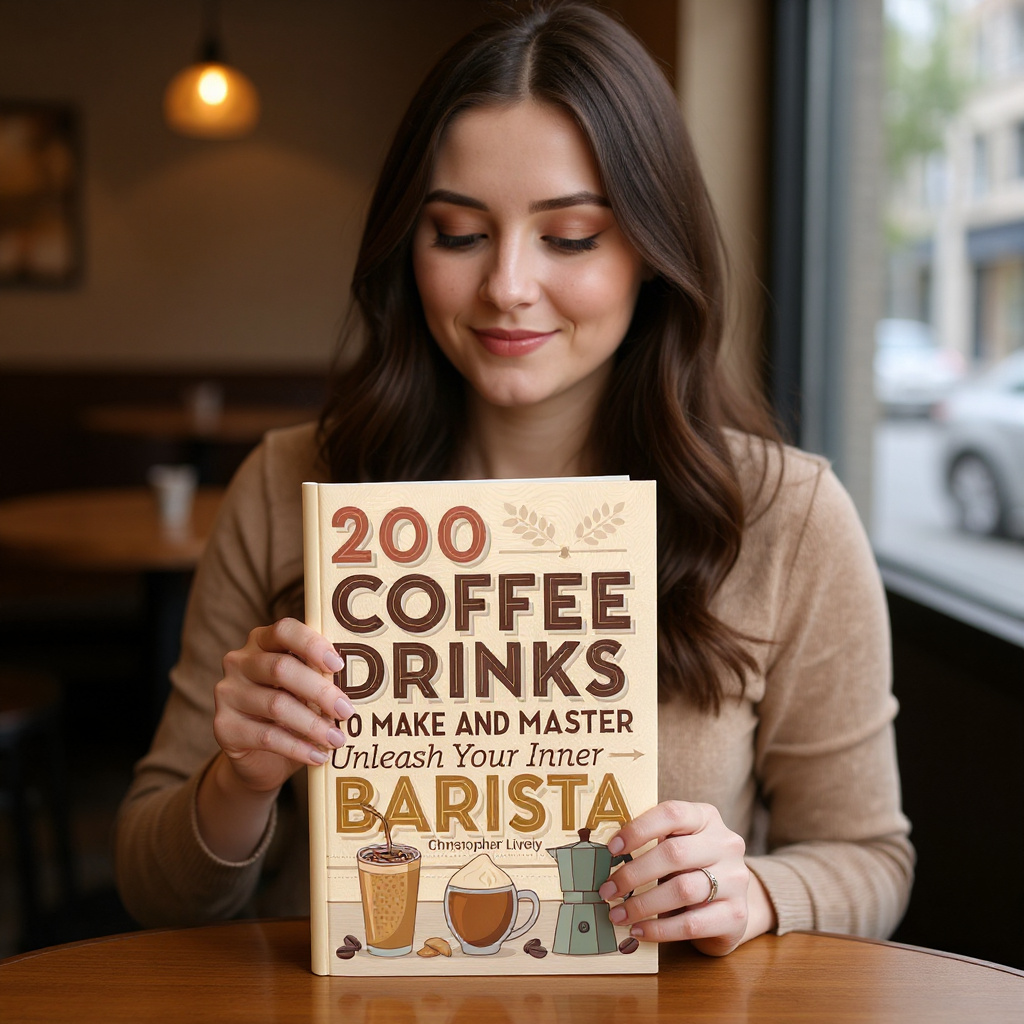
Here’s the Book: 200 Coffee Drinks to Make and Master – On Amazon | Print Version on Amazon – 3rd Edition | – On Various Other Book Stores